What clearing includes
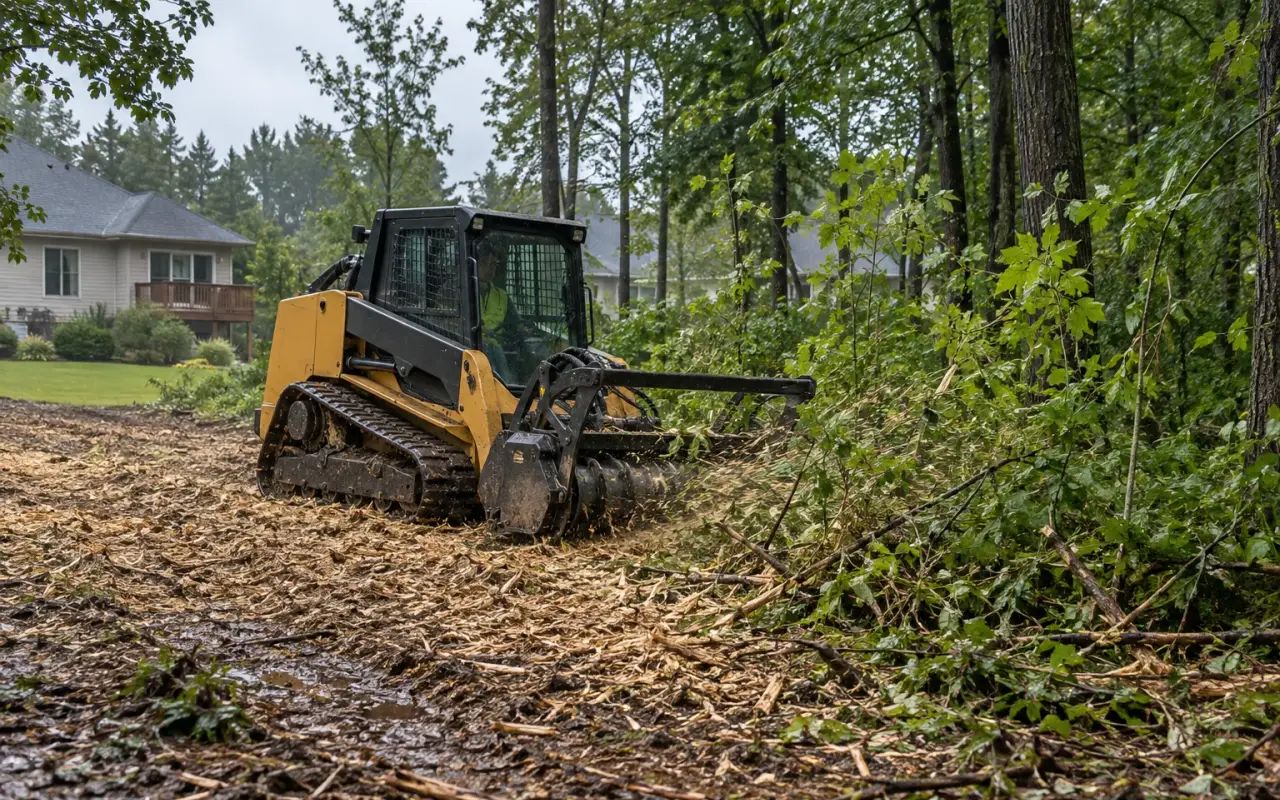
Clearing takes a piece of land from trees and brush to open ground, or to a selected set of trees that stay. It usually combines several kinds of work: cutting trees, removing brush and undergrowth, grinding or pulling stumps, and dealing with the material, either by mulching it on site or hauling it away. Say which trees, if any, you want kept before anyone starts; it is the one decision that cannot be undone.
Mulched or hauled
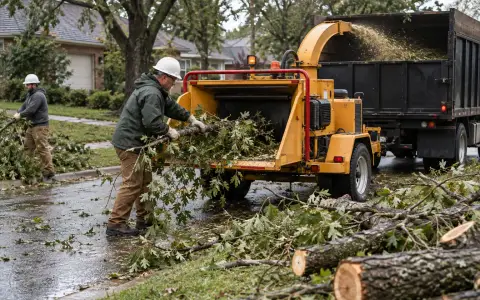
Mulching machines grind brush and small trees where they stand and leave a layer of chips on the ground. Hauling takes the material away and leaves the ground bare, which matters if the land will be graded or built on. The two are priced differently, so ask which one the quote assumes.
The one-acre rule
Clearing is construction activity under federal stormwater rules. The Environmental Protection Agency says:
A Clean Water Act permit is required for stormwater discharges from any construction activity disturbing: 1 acre or more of land, Less than 1 acre of land, but that is part of a common plan of development or sale.
U.S. Environmental Protection Agency
and that “construction activity includes earth-disturbing activities such as clearing, grading, and excavating land.” Many states run that permit program themselves, and counties often have their own land-disturbance or tree rules for smaller areas. Ask the county before clearing a large lot, and ask the contractor who will arrange the permit. Permits
Before the machines arrive
- Mark buried lines. The ISA reminds owners that locating underground utilities before digging “is often required by law,” and pulling or grinding stumps is digging.
- Walk the boundaries. Trees on the line, or a neighbor’s trees with crowns over the lot, are worth settling first.
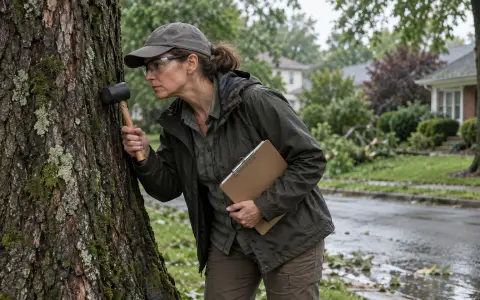
- Check for trees that should stay. Large healthy trees take decades to replace; an arborist can say which are worth protecting. A tree health check
Updated 2026-10-11.
 Tree removal
 Trimming and pruning
 Tree health check
 Cabling and bracing
 Brush and debris cleanup
 What it costs
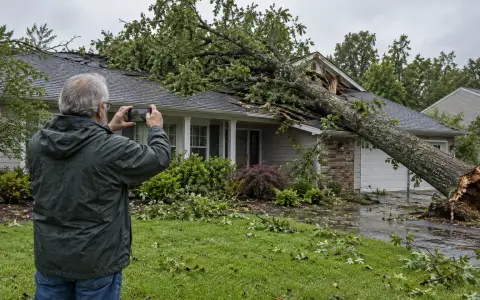 Insurance
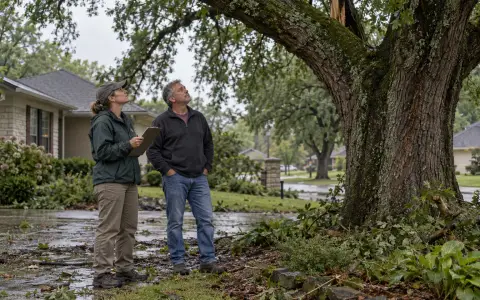 Permits
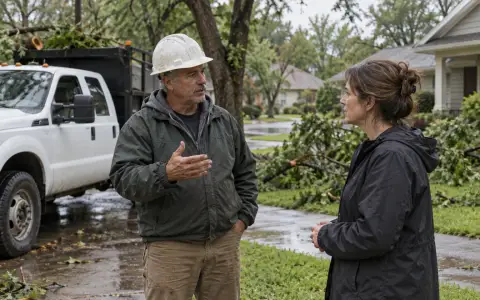 Hiring a tree service