Why cleanup is not a weekend job
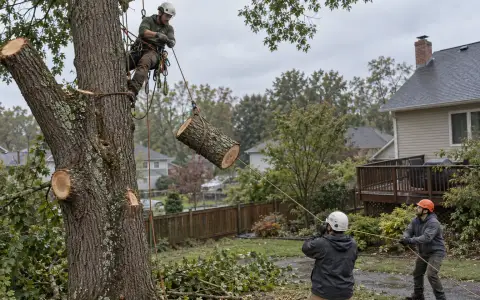
Branches on the ground look finished. Often they are not: limbs bent under other limbs, trunks resting on their own branches and wood still attached to the tree can all move when cut. The International Society of Arboriculture is direct about it:
These and other such tree work operations—especially debris cleanup—are inherently dangerous and should be carried out by a professional arborist.
International Society of Arboriculture, Storm-Related Tree Damage
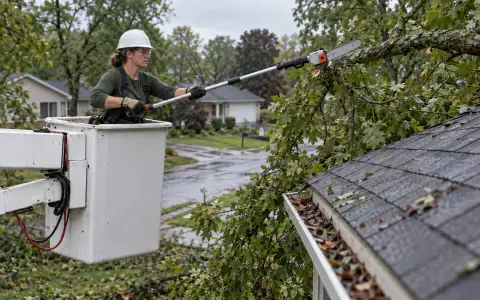
It names the hazards: working at height, retrieving tree parts from buildings or utility lines, and operating cutting machinery. Anything touching a wire belongs to the utility first. A tree on a power line
What a crew does
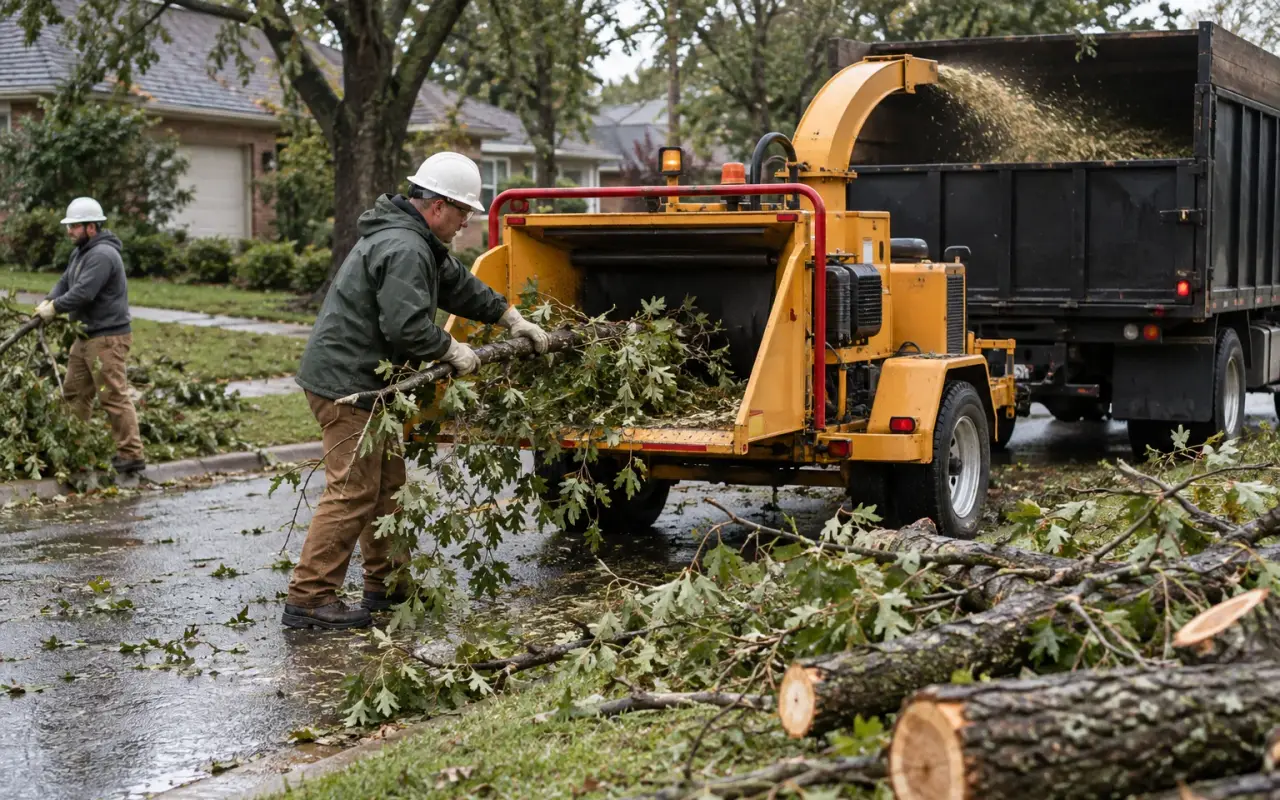
Cleanup usually means cutting trunks and large limbs into manageable lengths, chipping branches, raking up the small material and either leaving the chips and wood or hauling everything away. Say which you want on the call; hauling is one of the things that changes the price. What removal costs
City pickup
After large storms many cities and counties collect storm debris from the curb for a period, with rules about how it is cut, stacked and separated from other trash. Rules and dates are local, so check your city’s announcements before paying to haul what the city may take.
Insurance
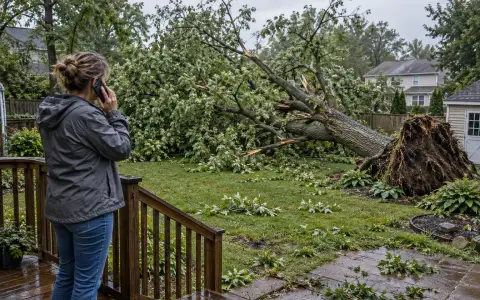
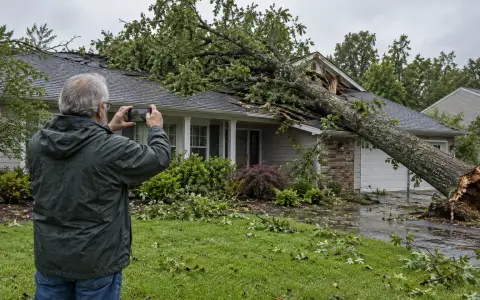
Policies usually separate damage from cleanup. The Texas Department of Insurance notes that “limbs and trees falling in your yard usually aren’t covered,” and a tree-industry article in TCI Magazine says debris hauling on residential policies “varies from $500 to $1,000.” When the debris came down on the house, a fence or the driveway, call the insurer before the cleanup starts and photograph everything. Insurance and fallen trees
Updated 2026-10-11.
 Tree removal
 Trimming and pruning
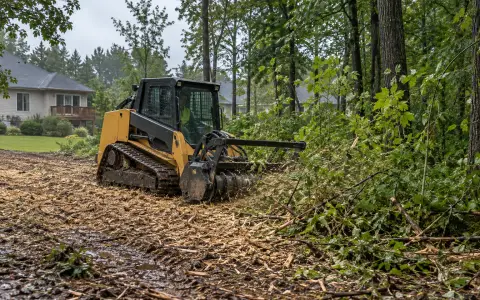 Lot and land clearing
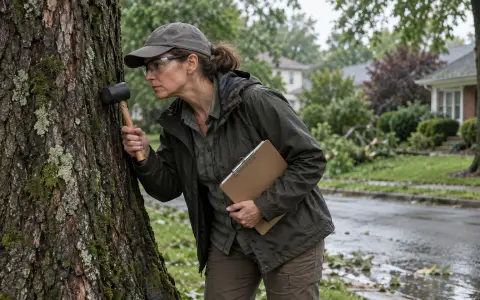 Tree health check
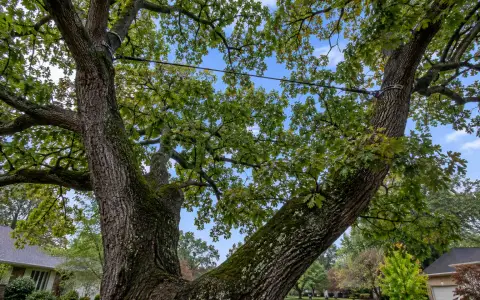 Cabling and bracing
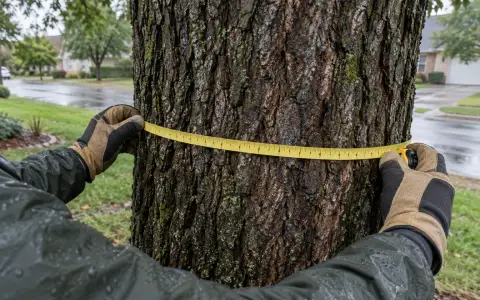 What it costs
 Insurance
 Permits
 Hiring a tree service