Typical ranges
HomeGuide, a cost guide that tracks estimates homeowners receive from contractors, gives these figures for tree removal:
| What | Typical cost |
|---|---|
| Average range | $400 to $1,200 |
| National average | $850 |
| Small, easy to reach | from about $200 |
| Large or complex removal | up to about $3,000 |
| Under 30 feet tall | $200 to $500 |
| 30 to 60 feet | $500 to $1,500 |
| 60 to 80 feet | $850 to $2,000 |
| Over 80 feet | $1,200 to $2,500 or more |
| Stump removal, per stump | $100 to $500 or more |
These are national figures read on October 11, 2026. Prices where you live, and for your tree, can be outside them. The quote that counts is the one given after someone has seen the tree.
What moves the price
HomeGuide lists the factors behind a quote. In plain terms:
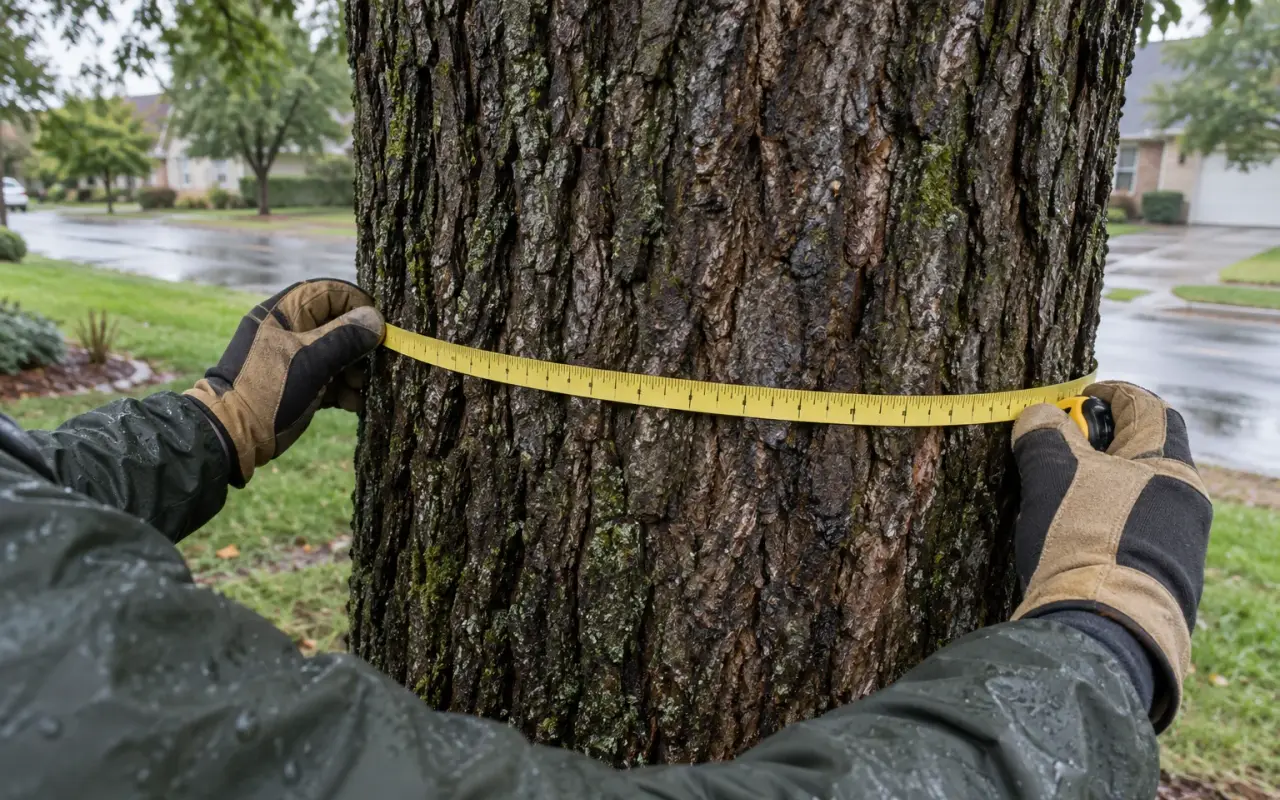
- Size. Height and trunk diameter set how much wood comes down and how much rigging it takes.
- Condition. “While you might expect removing a dead tree to cost less, it often costs more due to the increased safety risks. Brittle branches can fall unexpectedly, requiring extra precautions.”
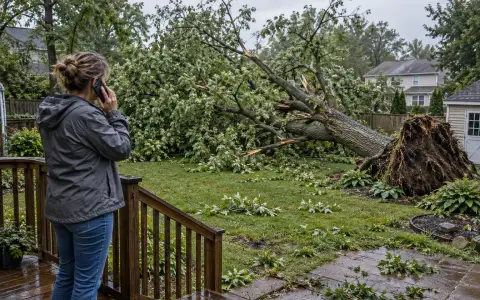
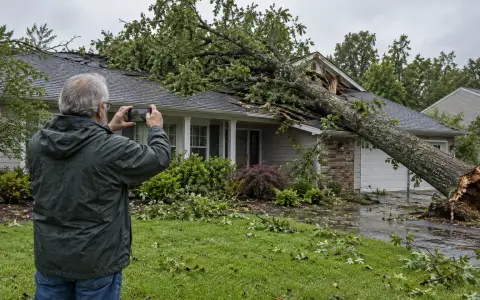
- A tree that is already down. If it fell on a house or power lines, “emergency services and repairs can increase expenses.” A tree that fell cleanly into open ground “typically costs less than removing a standing tree.”
- Access. A tree a truck can reach costs less than one behind the house where everything is carried out by hand, or one that needs a crane.
- How many. Several trees in one visit often cost less per tree than the same trees done one at a time.
- Season and emergencies. HomeGuide lists the time of year and emergency service among the factors; work done urgently after a storm is priced as emergency work.
- What is left behind. Stump grinding, hauling the wood and chipping the brush are often separate lines.
Getting a fair quote
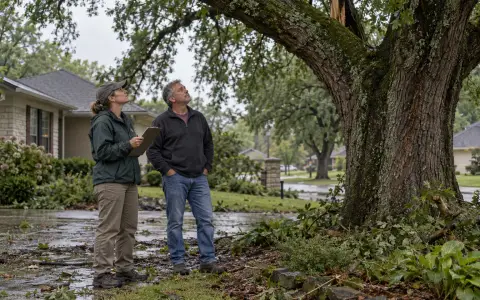
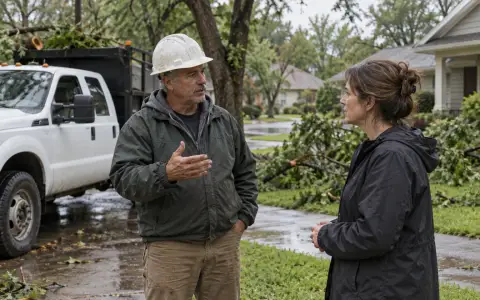
The International Society of Arboriculture advises getting more than one estimate and asking for references, and not to “always accept the lowest bid,” but to compare credentials, the written description of the work and the price together. Ask every company to write down the same things: which trees, whether the stump is ground, whether wood and chips are hauled, and who cleans up. Hiring a tree service
If a storm caused the damage, ask your insurer what it will pay before agreeing a price. Insurance and fallen trees
Updated 2026-10-11.
 Tree removal
 Trimming and pruning
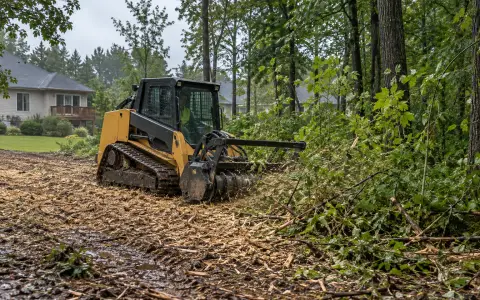 Lot and land clearing
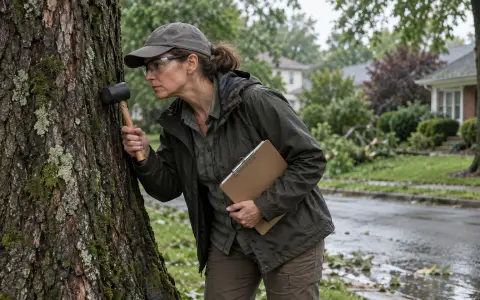 Tree health check
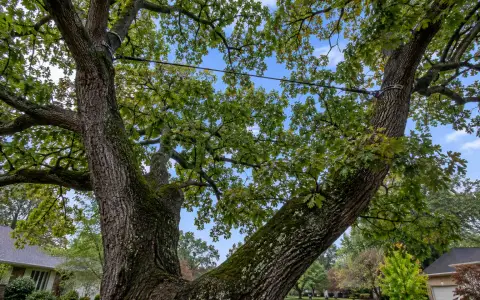 Cabling and bracing
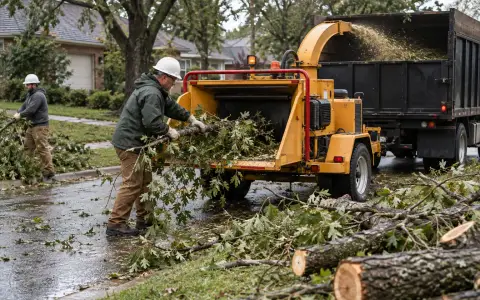 Brush and debris cleanup
 Insurance
 Permits
 Hiring a tree service