What it is
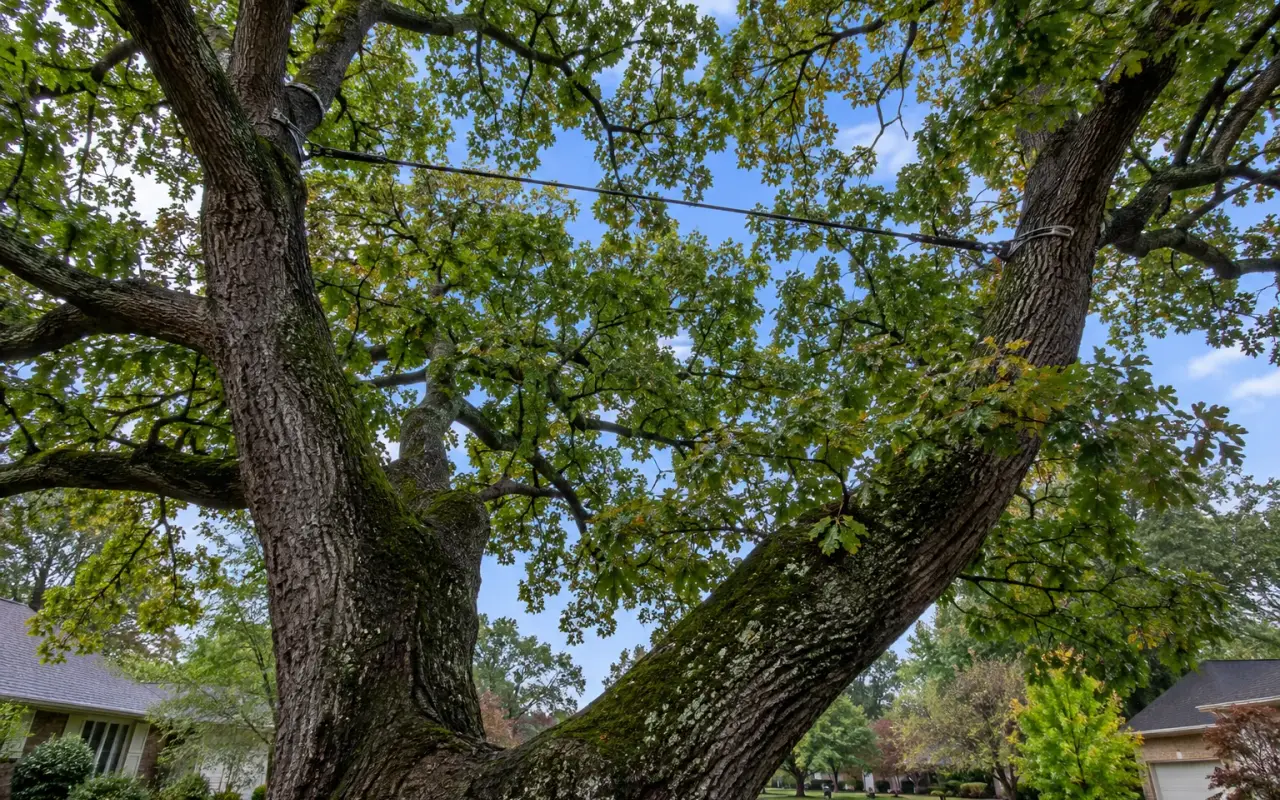
Cabling runs a steel cable or a synthetic line high between two stems or limbs, so that in wind they move together instead of pulling apart. Bracing puts rods through the wood, usually lower down at a weak fork or a crack. Both are ways to keep a tree that is worth keeping.
The International Society of Arboriculture lists the service among what arborists provide, “cabling and bracing for added support to branches with weak attachments,” and describes the aim: to “provide physical support for weak branches and stems to increase their strength and stability.”
What it cannot do
The same sentence ends with the limit: “Such supports are not guarantees against failure.” A cable reduces the chance that a fork splits; it does not make a decayed or badly cracked stem safe. That is why the decision starts with an assessment of what is wrong with the tree and what lies under it. A tree health check
When it fits
- A fork of two stems of similar size, with no serious decay, over something that matters. A split or cracked trunk
- A long, heavy limb that would otherwise have to be removed.
- A valuable tree where pruning alone would take too much of the crown.
When the crack is deep, the wood is rotten or the tree is in decline, removal of a stem or the tree is usually the safer choice.
Afterwards
Hardware is a commitment. Cables and the trees around them change as the tree grows, so ask how often the installer recommends inspecting them, and keep the date.
Updated 2026-10-11.
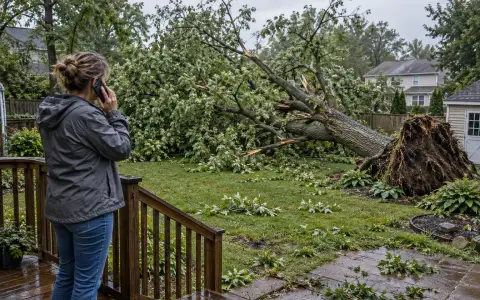
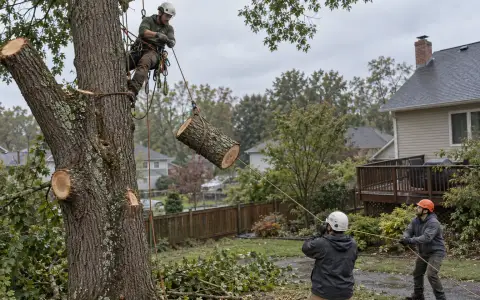 Tree removal
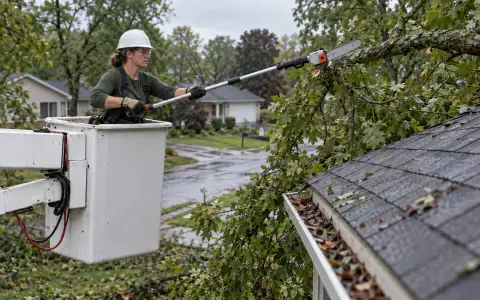 Trimming and pruning
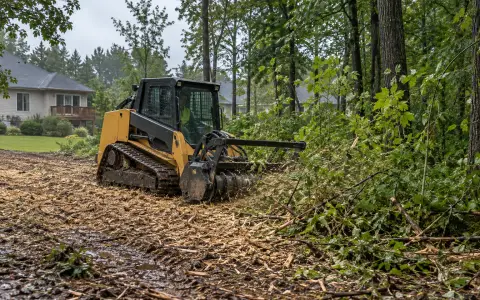 Lot and land clearing
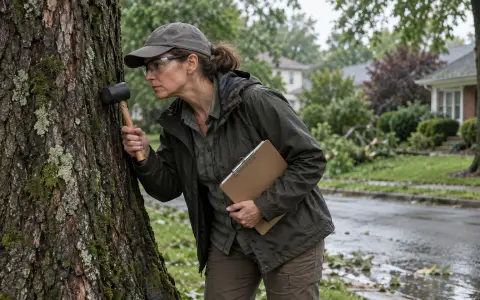 Tree health check
 Brush and debris cleanup
 What it costs
 Insurance
 Permits
 Hiring a tree service