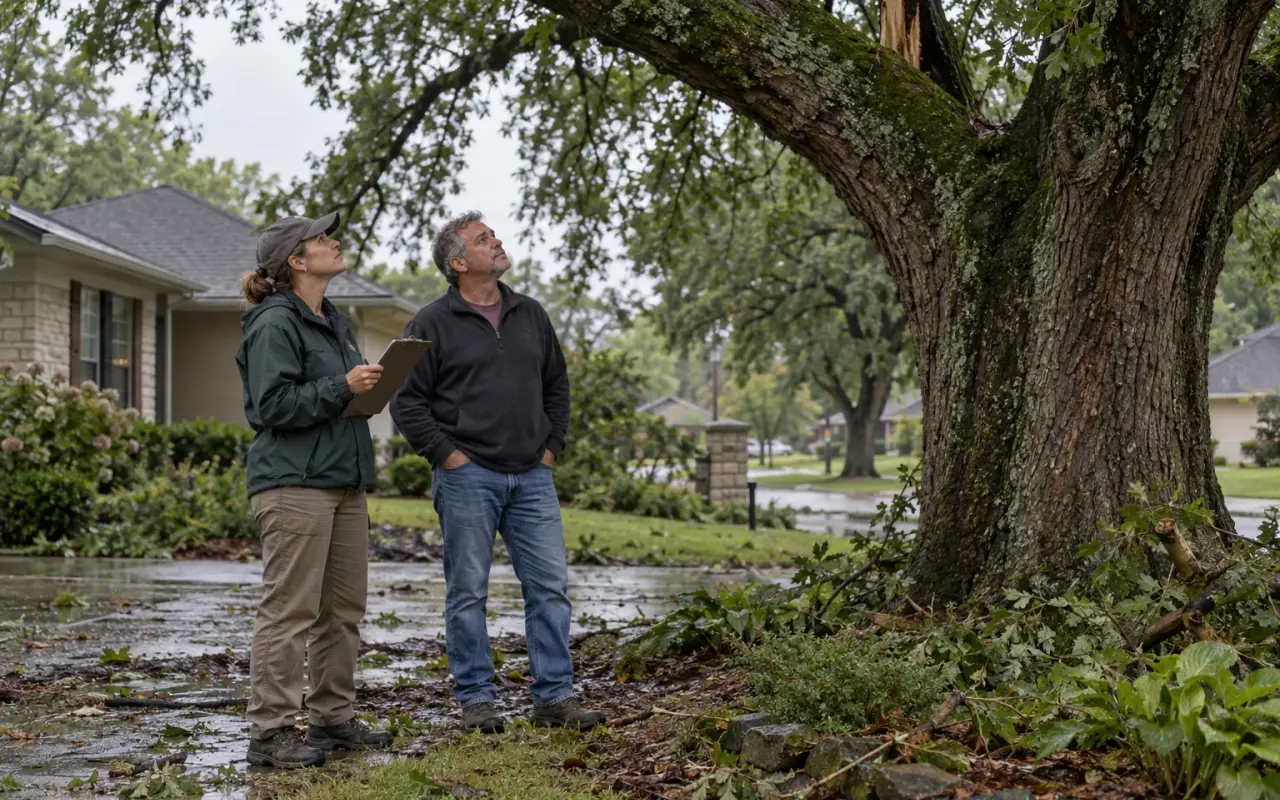
Usually a local question
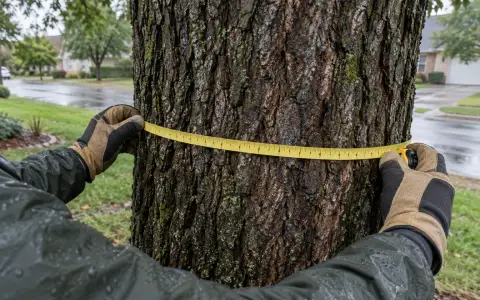
In most of the country there is no state permit to cut down a tree in your own yard; the rules, where they exist, are written by cities and counties. They vary widely. Some places protect large trees, certain species or trees in particular districts; some require a permit for any tree above a set trunk size; many have no rule for a single-family yard at all. The International Society of Arboriculture’s checklist for hiring a tree service includes “Check for local permits and licenses.”
Three places to check:
- The city or county. Look for a tree ordinance or an urban forestry office on the city’s website, or call planning and zoning. Ask whether your tree needs a permit, and whether a dead or dangerous tree is treated differently.
- The strip by the street. A tree between the sidewalk and the curb often belongs to the city. Do not remove it without asking.
- A homeowners association. Its rules can require approval for removing a tree even where the city does not.
Florida: a state limit on local permits
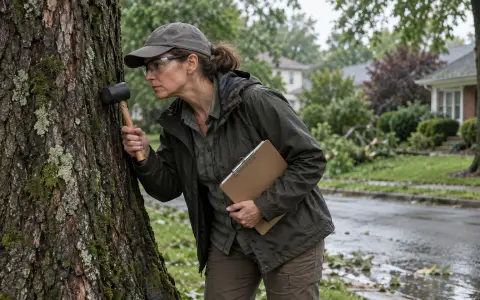
Florida is the exception that changes the answer in a whole state. Under section 163.045 of the Florida Statutes, a city or county may not require a notice, application, approval, permit, fee or mitigation for pruning, trimming or removing a tree on a single-family residential lot when the owner has documentation that the tree poses an unacceptable risk to persons or property. The documentation must come from an ISA-certified arborist or a Florida-licensed landscape architect and follow the ISA’s tree risk assessment procedures, and no replanting can be required. The section does not apply to mangroves.
In practice: in Florida, a written risk assessment for a dangerous tree is what lets you skip the local permit. Keep it. A tree health check
Clearing a lot
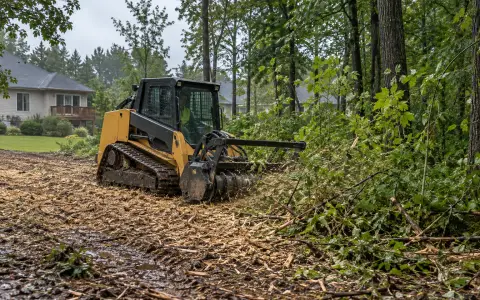
Clearing land is a different case. Under federal stormwater rules, clearing that disturbs an acre or more needs Clean Water Act permit coverage, and counties often add their own rules for smaller areas. Lot and land clearing
Emergencies
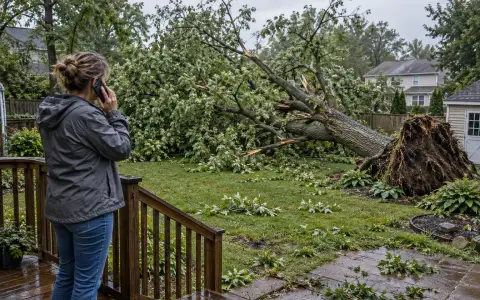
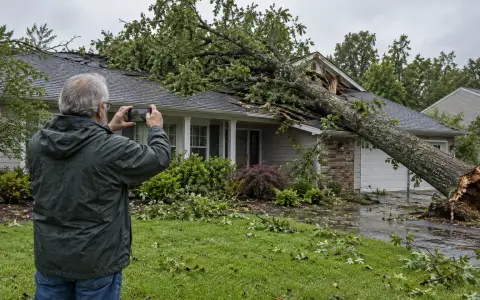
A tree that has fallen on a house, or is about to, is usually handled first and documented after; local rules commonly allow that. Photograph the tree and the damage before removal, both for the city and for the insurer. A tree on the house
Updated 2026-10-11.
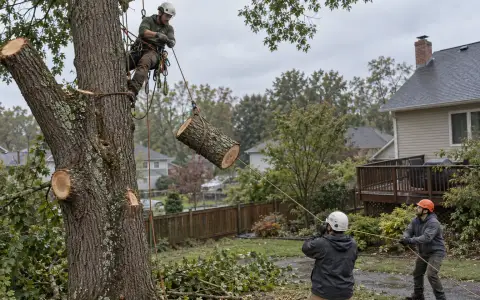 Tree removal
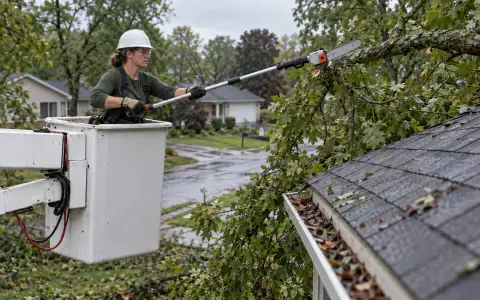 Trimming and pruning
 Lot and land clearing
 Tree health check
 Cabling and bracing
 Brush and debris cleanup
 What it costs
 Insurance
 Hiring a tree service