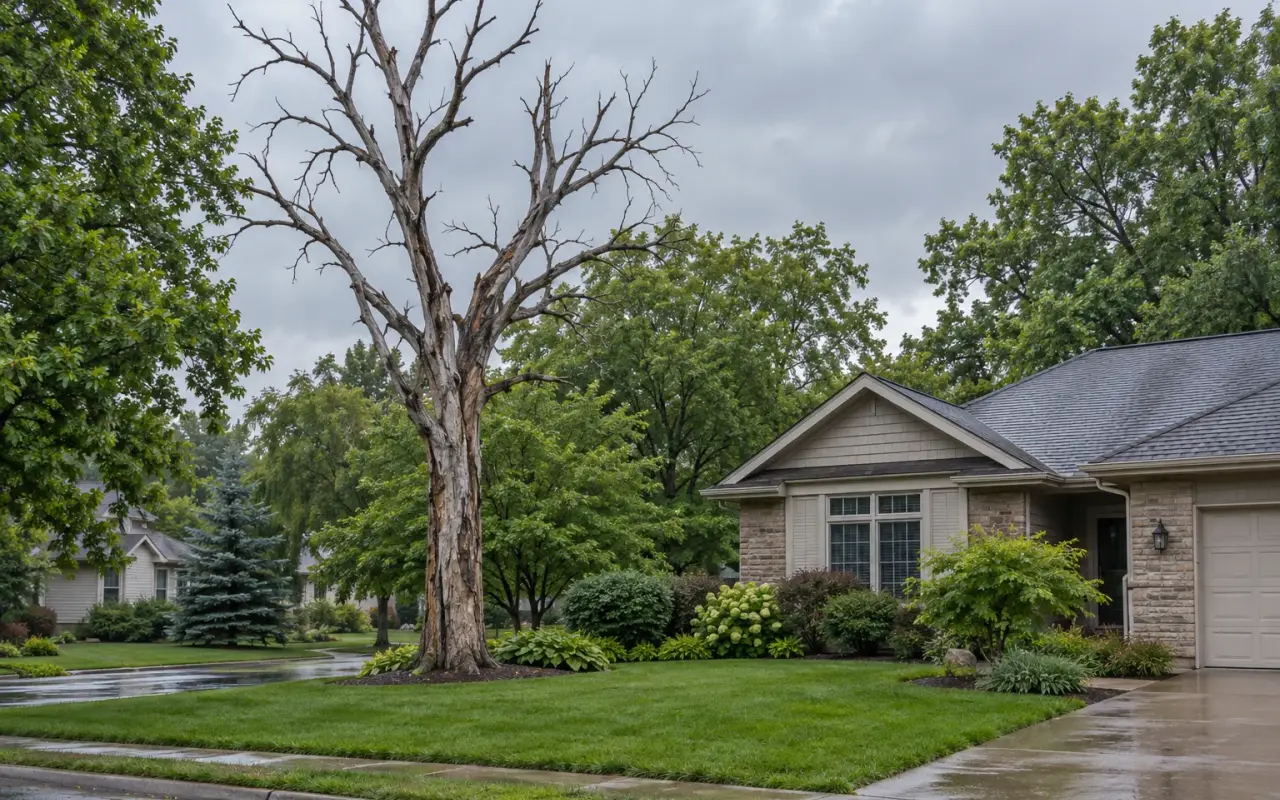
How to tell
The International Society of Arboriculture tells owners to look at four signs of vitality at least once a year: “new leaf or bud formation, leaf size, twig growth, and absence of crown dieback,” dieback meaning the gradual death of the upper part of the tree. A tree that leafs out late, with small or yellowed leaves and bare twigs at the top, is in decline even if the lower crown is green.
The same brochure names signs of structural weakness: “cavity opening, extensive twig dieback, and the presence of fungal conks (mushrooms or brackets on the trunk).”
Why it matters
Dead wood breaks without warning. The ISA puts it plainly:
Dead branches within the canopy of a tree are probably the most obvious potential hazards. The risk of damage or injury depends on the size of the dead branch and distance from any potential targets.
International Society of Arboriculture, Recognizing Tree Risk
So the question is not only whether the tree is dead, but what is under it. A dead tree at the back of a large lot is a different priority from one leaning over the driveway or the roof. A leaning tree
Why it often costs more
People expect a dead tree to be cheaper to remove. HomeGuide, a cost guide that tracks estimates homeowners receive, says the opposite is common:
While you might expect removing a dead tree to cost less, it often costs more due to the increased safety risks. Brittle branches can fall unexpectedly, requiring extra precautions.
HomeGuide, Tree removal cost
Climbers may not trust dead limbs to hold a rope or their weight, which can mean a bucket truck or a crane instead. That is one more reason not to wait: dead wood does not get stronger. What removal costs
Dying, or just stressed?
Not every bare branch means the tree is lost. Drought, root damage from construction and some diseases cause dieback that care can slow. An arborist can tell which, and whether removal or treatment makes sense. A tree health check
Updated 2026-10-11.
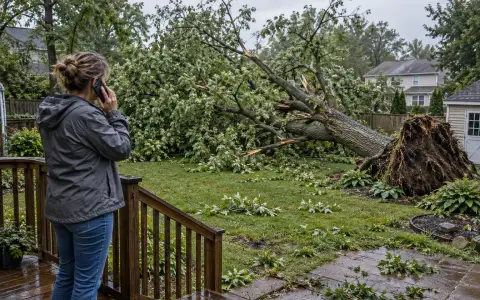
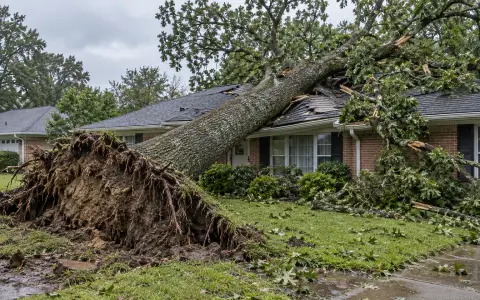 On the house or roof
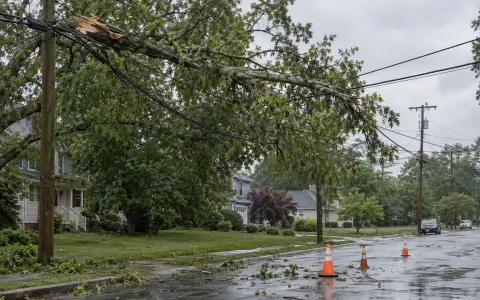 On a power line
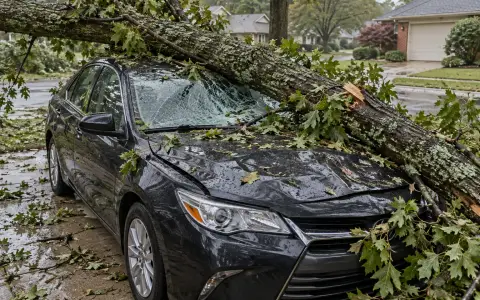 On a car
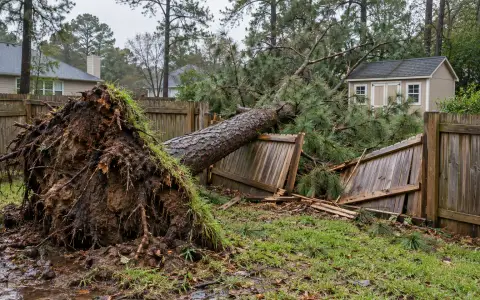 On a fence or shed
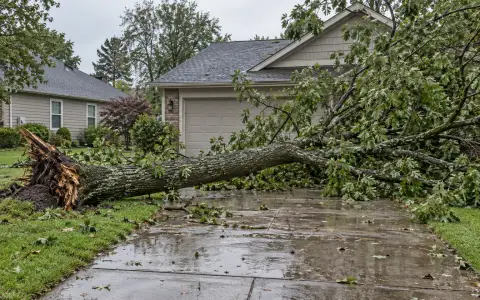 Across the driveway or road
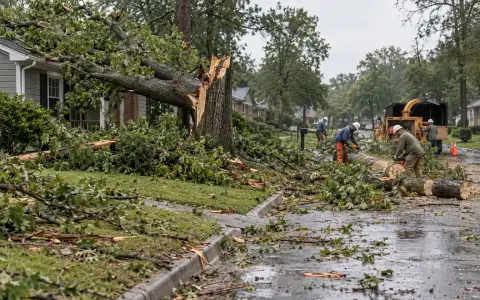 After a storm
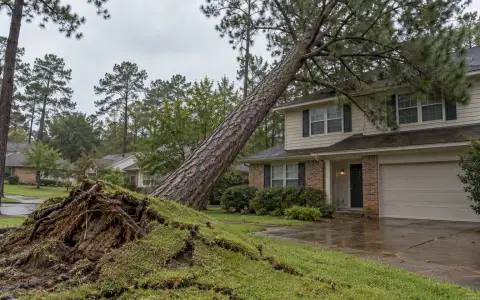 Leaning
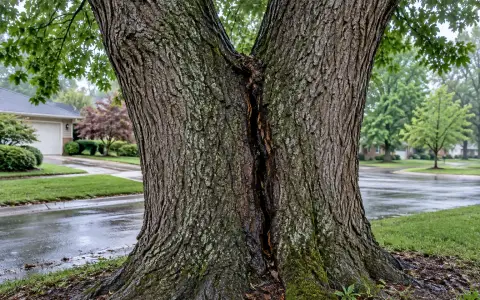 Split or cracked trunk
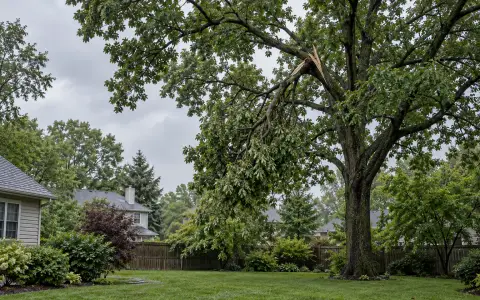 Hanging broken limb
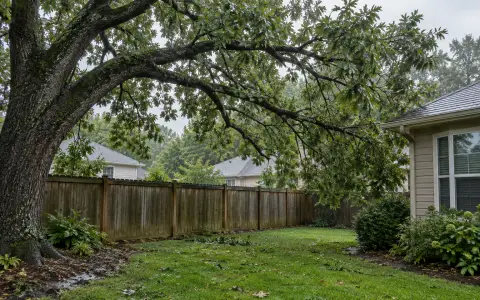 A neighbor’s tree