Louisiana
Tree removal in Winn Parish, LA
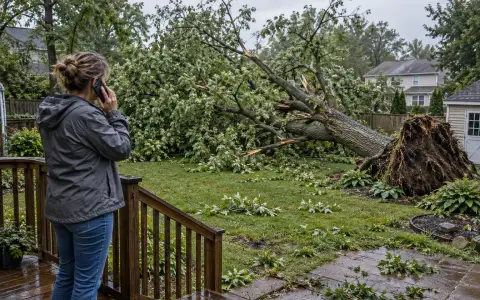
Tree removal in Winn Parish: storm damage, trees on power lines, leaning and dead trees, and what the work costs. From 2016 through 2025 the National Weather Service logged 46 thunderstorm wind reports here that mention trees.
Call (888) 239-7893 free call, 24/7Calling is free and commits you to nothing. The work is priced after someone has seen the tree.
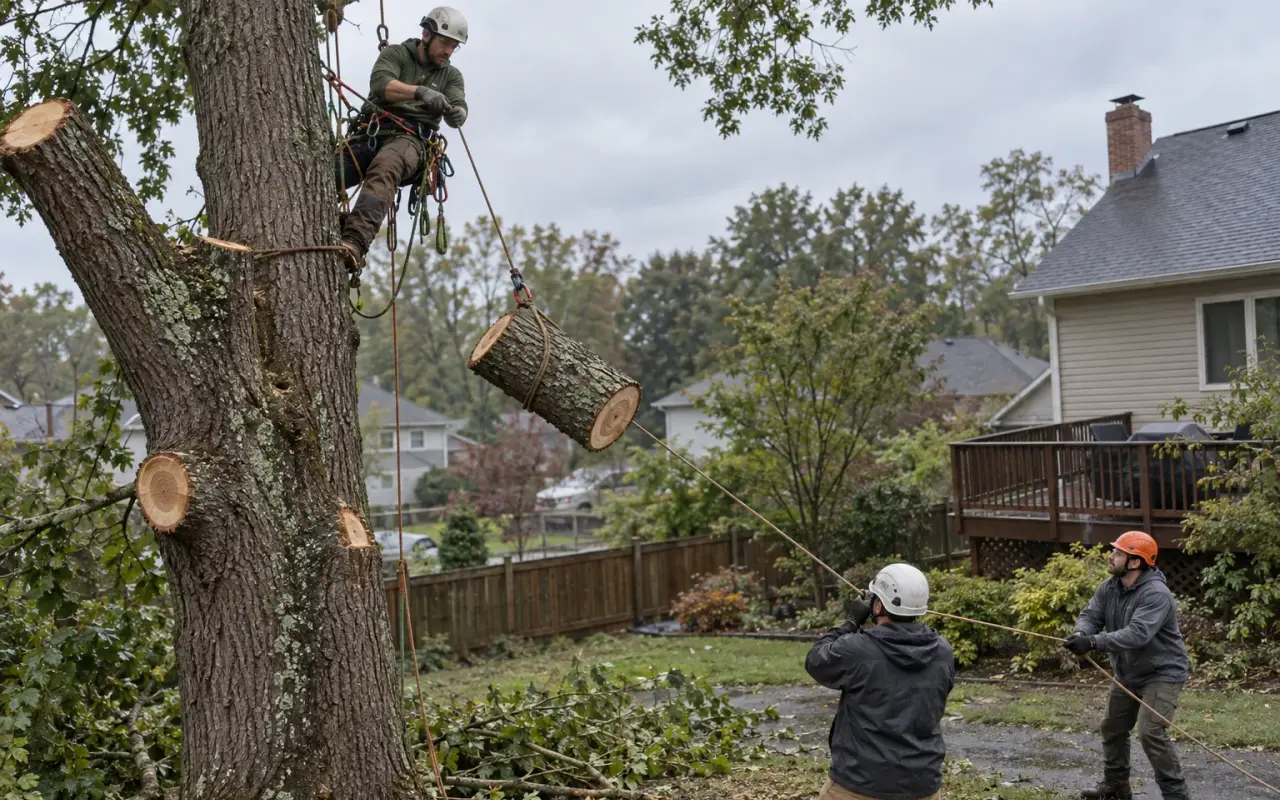
What is particular to Winn Parish
Storm reports with trees in them
From 2016 through 2025 the National Weather Service logged 47 reports of damaging thunderstorm wind in Winn Parish, and 46 of them mention trees, limbs or branches. It also logged 15 tornadoes, 14 of them with trees in the report. The latest report that mentions trees is dated October 28, 2025, near Jordon Hill. The places named most often in those tree reports are Calvin (8), Winnfield (8), Dodson (5), Joyce (2) and St. Maurice (2).
Source: NOAA National Centers for Environmental Information, Storm Events Database, 2016–2025
What brings trees down here
FEMA’s National Risk Index rates none of hurricanes, ice storms, strong wind and tornadoes above relatively moderate in Winn Parish. Trees still come down in ordinary thunderstorms, and a dead or leaning tree does not need a rare storm to fall.
If a tree is on a line
Call the electric utility before anyone else, and treat the line as live: OSHA’s guidance for tree crews is to assume all power lines are energized. EIA lists 3 electric utilities with service territory in Winn Parish in 2024: Entergy Louisiana LLC, Southwestern Electric Power Co and City of Winnfield. Each publishes its own outage and downed-line number.
Source: U.S. Energy Information Administration, Form EIA-861 service territories, 2024; OSHA QuickCard, Tree Trimming and Removal (OSHA 3301)
Homes and who decides
About 4,880 households live in Winn Parish. About two thirds of the homes are detached houses and about seven in ten occupied homes are lived in by their owners. Half the homes were built before 1978.
Source: U.S. Census Bureau, American Community Survey 2019–2023 5-year estimates
Towns and communities in Winn Parish
Tree down, or about to come down?
-
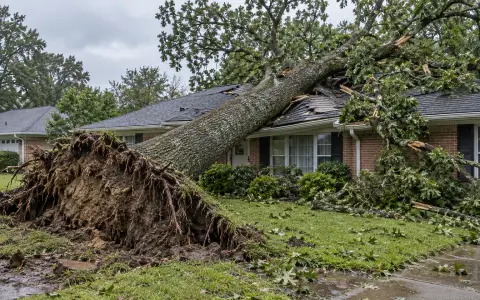 On the house or roofGet people out from under it, photograph everything, call the insurer, then a crew.
 -
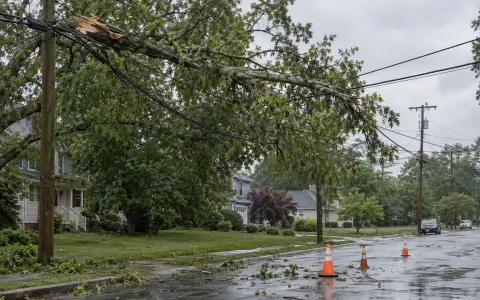 On a power lineThe utility comes first. Stay away and treat the line as live.
 -
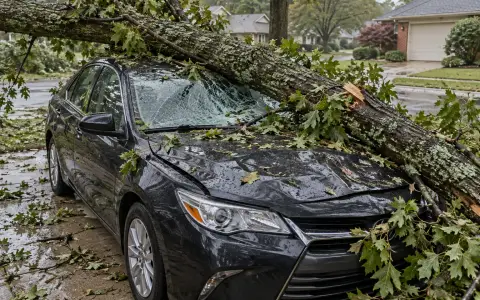 On a carPhotograph it where it lies. The car claim goes to the auto policy.
 -
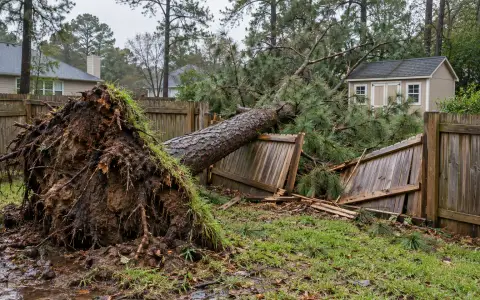 On a fence or shedDamage to a fence or shed is often covered differently from the house.
 -
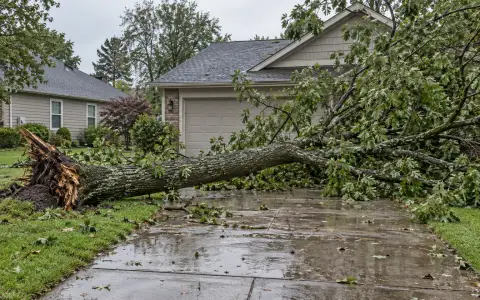 Across the driveway or roadOn the street it is the city’s call. In the driveway, check the policy first.
 -
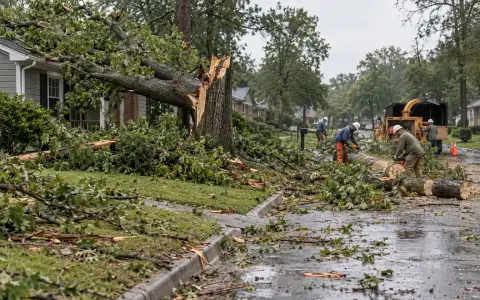 After a stormHanging limbs, split trunks, trees on houses, and the ones that look fine.
 -
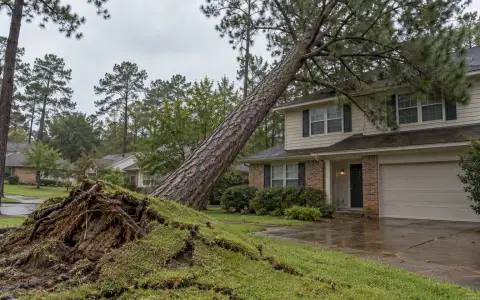 LeaningLifted soil or cracked roots at the base turn a lean into a warning.
 -
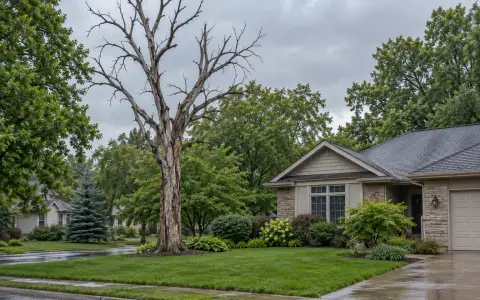 Dead or dyingDead wood is brittle and unpredictable, which is why it often costs more to remove.
 -
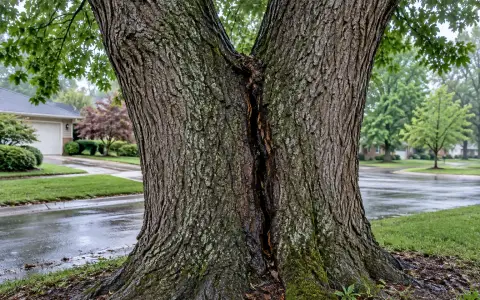 Split or cracked trunkTwo stems from one point, or a crack down the trunk, are common failure points.
 -
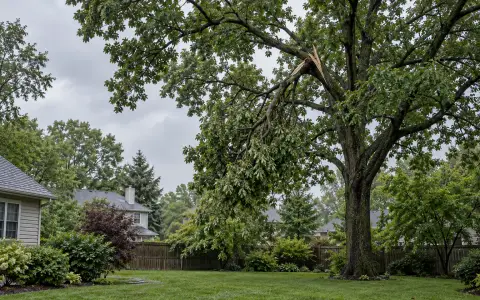 Hanging broken limbIt can fall without warning. Keep people and cars out from under it.
 -
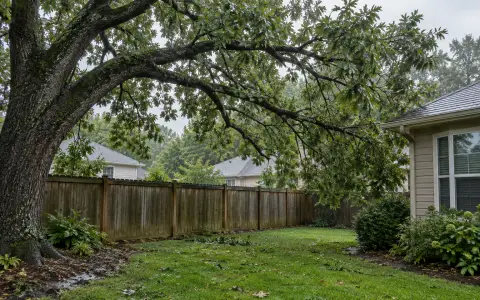 A neighbor’s treeWeather is nobody’s fault. A tree the neighbor was warned about can be.
Rules in Louisiana
Louisiana requires an arborist license from the Department of Agriculture and Forestry for anyone who makes recommendations or does tree-surgery type work for a fee, which the department says includes tree removal, pruning and trimming. Work along utility rights of way has its own utility arborist license. The department publishes the lists of licensed arborists, and its Horticulture Commission answers questions at (225) 952-8100.
Check a license with the Louisiana Department of Agriculture and Forestry
The state insurance regulator is the Louisiana Department of Insurance.
What you will be asked
- Where the tree is and what is under it or near it: the house, a power line, a car, a fence, the street.
- Whether it is standing, leaning, split or already down, and since when.
- Roughly how tall it is and how thick the trunk is at chest height. A guess is fine.
- Whether a truck can get close, or the tree is in a back yard behind a fence or a narrow gate.
- Whether there is damage your insurer should see, and whether you have called them yet.
- The address, and whether you own the property or rent it.
The line takes: tree removal, emergency removal after a storm, trimming and pruning, lot and land clearing, tree health checks, cabling and bracing, and brush and debris cleanup, for homeowners, renters and businesses. It is not for: jobs, equipment, firewood, tree services looking for work, or a price quoted over the phone without anyone seeing the tree.